
 English
 Türkçenot yet
 Deutsch
 Italianonot yet
 Françaisnot yet

Compare / All waters / Azur
Azur
A classic sparkling mineral water from the Hassia group in Bad Vilbel, strongly carbonated and more mineral-rich than its sister Elisabethen Quelle. Sodium-calcium bicarbonate type with 706 mg/L bicarbonate.
In shortAzur is a sparkling natural mineral water from Germany. Its published analysis lists sodium 109 mg/L, calcium 175 mg/L, magnesium 28.6 mg/L and bicarbonate 706 mg/L; there is not enough published data for a Waterphile Score yet.
- pHNot published · −0.1
- TDSNot published · −0.1
- Sodium109 mg/LNoneAbove idealSalty
- Calcium175 mg/LLowIn ideal rangeHigh
- Magnesium28.6 mg/LLowBelow idealHigh
- Sulfate31 mg/LNoneIn ideal rangeBitter
- Chloride128 mg/LNoneIn ideal rangeSalty
- NitrateNot published · −0.1
- Bicarbonate706 mg/LLowIn ideal rangeHigh
Each score is out of 10 for that property. The bars show where each published value sits against its ideal range. Needs at least 5 of 9 properties, including sodium and pH or TDS. Editorial score, not a health rating. How scores work →
How it compares
- Its sodium is the 27th highest of 116 waters from Germany (109 mg/L).
- About half the magnesium of the average sparkling water from Germany (average 49.48 mg/L).
Azur is closest, on the published minerals, to Bad Vilbeler UrQuelle, hassia Sprudel and Souroti.
Figures use published single-number values on this site. Rankings skip ranges and unpublished results.
Ratings & reviews
Waterphile Score lab data
—
Not enough published values for a score yet.
Taste visitors
No ratings yet. Be the first.
How does Azur taste to you?
Not for meLove it
More waters from Germany
- 1
 Rheinsberger PreussenquelleNatural mineral water · Sparkling · Germany
TDS353Score 9.6
- 2
 Saskia (Leißling)Natural mineral water · Still · Germany
TDS372Score 9.5
- 3
 Saskia (Wörth am Rhein)Natural mineral water · Still · Germany
TDS318Score 9.5
- 4
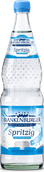 Blankenburger WiesenquellNatural mineral water · Sparkling · Germany
TDS724Score 9.4
- 5
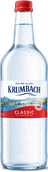 KrumbachNatural mineral water · Sparkling · Germany
TDS528Score 9.4
- 6
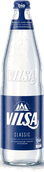 VilsaNatural mineral water · Sparkling · Germany
Score 9.4
Other waters from Germany: same type first, then the closest total dissolved solids, then score.
See all 116 waters from GermanyAzur ingredients & nutrition facts
per litre
pH, dry residue, nitrate and silica aren't published.
UK/EU label thresholds met
Applied to the published numbers for information; these indications legally apply to natural mineral water labels.
- Contains bicarbonate (> 600 mg/L)
- Contains calcium (> 150 mg/L)
Brands update their analyses from time to time, and values can differ between bottle sizes, plants and batches. Check the label on your bottle. Spotted a change? See corrections.
Azur FAQ
NaHow much sodium (salt) is in Azur?109 mg/L
Azur has 109 mg/L of sodium, as published.
Ca·MgDoes Azur have electrolytes?Yes · Ca, Mg, Na, K
Its published analysis lists, per litre: calcium 175 mg/L, magnesium 28.6 mg/L, sodium 109 mg/L, potassium 13.3 mg/L, bicarbonate 706 mg/L, chloride 128 mg/L and sulfate 31 mg/L.
H₂OIs Azur spring, mineral or purified water?Natural mineral water
Azur is a sparkling natural mineral water.
Where does Azur come from?Germany
Bad Vilbel, Hesse (Hassia Mineralquellen), Germany.
Where to buy
See the official Azur website for stockists.
Source
Source: Hassia Ernährungstransparenz – Azur Mineralwasser, analysis of 15.09.2003 (SGS Institut Fresenius) · checked 2026-11-12
Compare Azur with
Not medical advice. Waterphile shows mineral values as published by each brand, for general information only. If you have a health condition, follow a restricted diet or prepare infant formula, ask a doctor, pediatrician or health visitor.